Web Design Trends We Can Expect to See in 2017 — post content
We are now nearing the end of 2016. Throughout this year we have seen an incredible number of website designs, and I'm excited to see what 2017 has in store for websites and website design.
We're sure 2016 brought us astonishing website designs, but if we look closely enough, we can begin to see some trends that we are sure will dominate websites in 2017.
Let's take a look at 10 website design trends we can expect to see in 2017.
Content emphasis
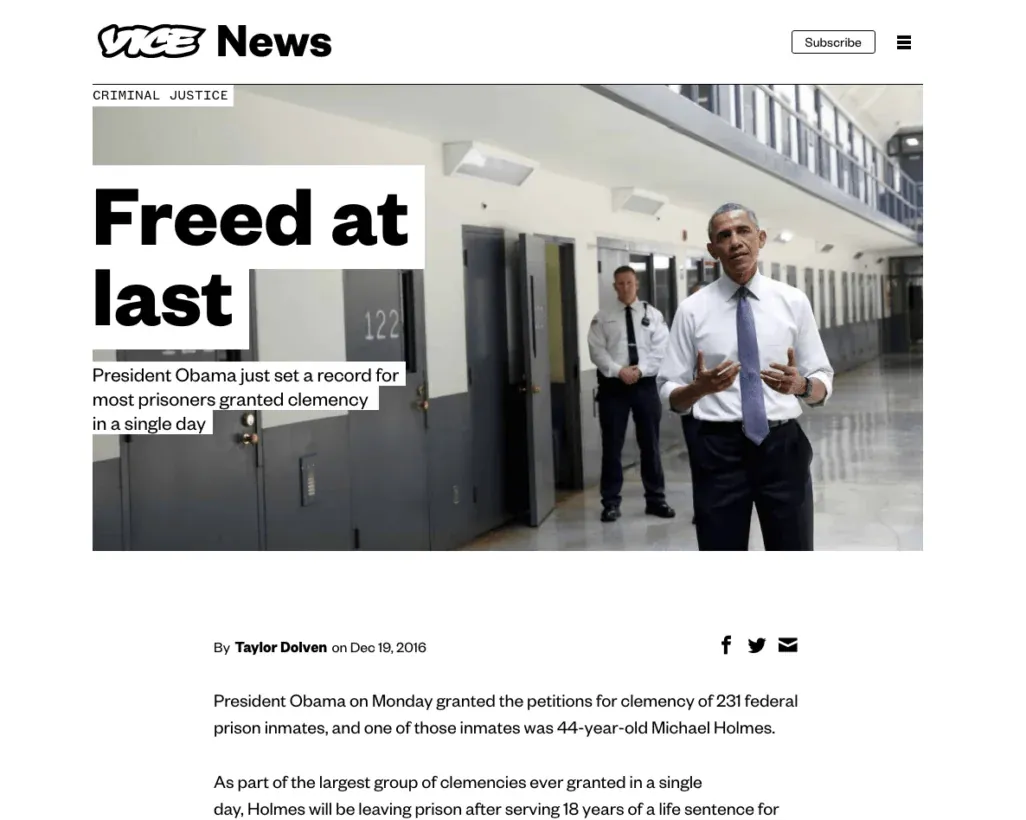
 For years we've added things to websites such as sidebars, headers, banner ads, sidebar ads, calls to action, comments, pop-ups, social media buttons, signup boxes, etc. All of these have made websites cluttered and have drawn attention away from one thing on a webpage we are increasingly learning more about: content emphasis.
In 2017, websites are likely to begin returning to the basics and giving more importance to content. Whether this means we'll remove the other distracting boxes we've added over the years, or just make them less acquired, is not yet clear. Returning to the heart of a website—content—will, I'm sure, become widespread.
The end of flat design
For years we've added things to websites such as sidebars, headers, banner ads, sidebar ads, calls to action, comments, pop-ups, social media buttons, signup boxes, etc. All of these have made websites cluttered and have drawn attention away from one thing on a webpage we are increasingly learning more about: content emphasis.
In 2017, websites are likely to begin returning to the basics and giving more importance to content. Whether this means we'll remove the other distracting boxes we've added over the years, or just make them less acquired, is not yet clear. Returning to the heart of a website—content—will, I'm sure, become widespread.
The end of flat design
 I think we've reached the point in flat web design where everything is starting to look the same and we've lost personality and creativity in design.
When you strip everything away, you're left with what everyone has: basics that resemble each other.
From my point of view, flat design has gone from being a modern skeuomorphic design update to a design aesthetic that everyone applies (think of Google's Material).
For this reason, sites are starting to look the same and don't differentiate themselves from one another.
Designers feel that creativity has ended along with this, so they thought they needed to create something different. So I see flat design ending mostly in favor of more creative and unique layouts and designs.
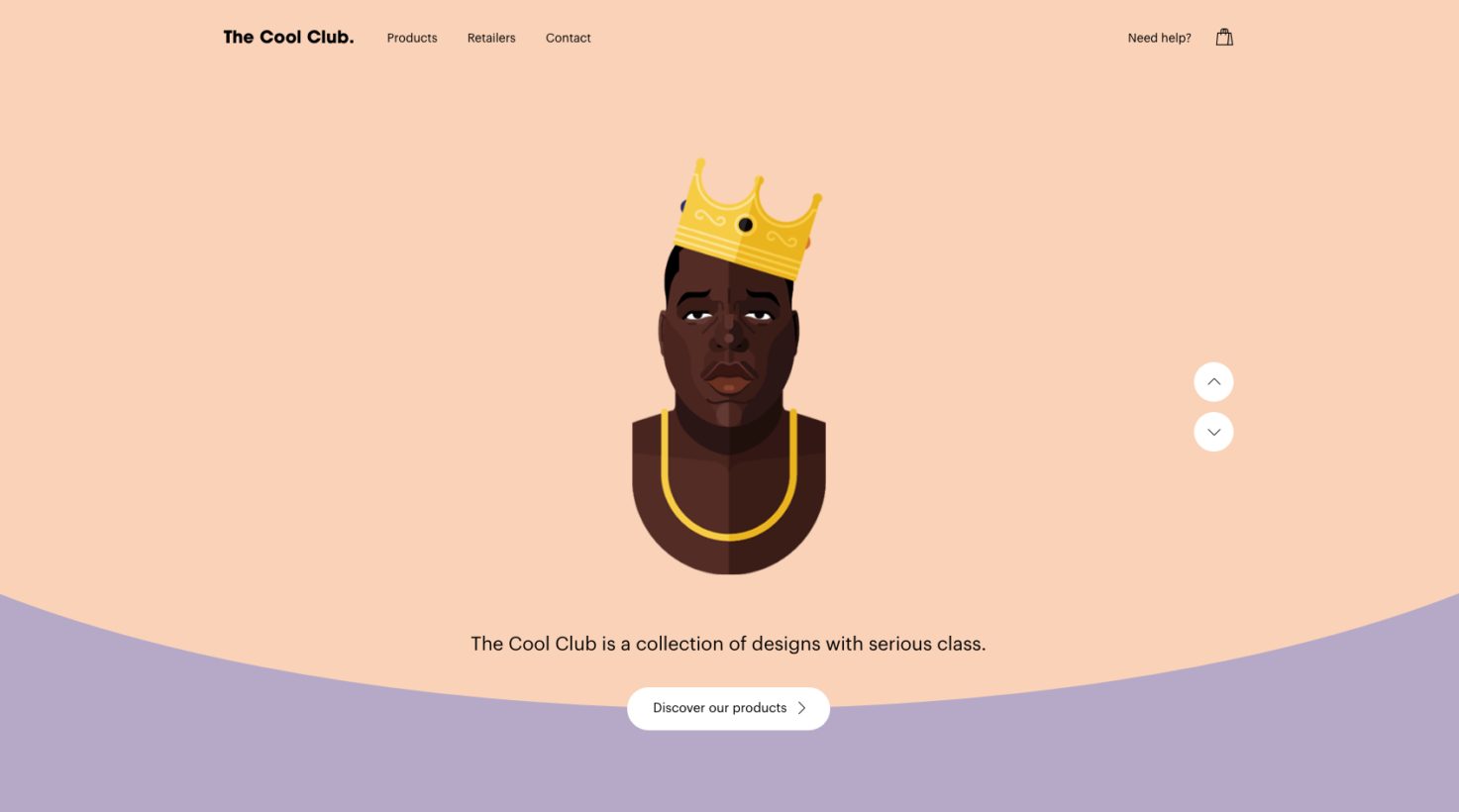
Geometric shapes, lines and patterns
I think we've reached the point in flat web design where everything is starting to look the same and we've lost personality and creativity in design.
When you strip everything away, you're left with what everyone has: basics that resemble each other.
From my point of view, flat design has gone from being a modern skeuomorphic design update to a design aesthetic that everyone applies (think of Google's Material).
For this reason, sites are starting to look the same and don't differentiate themselves from one another.
Designers feel that creativity has ended along with this, so they thought they needed to create something different. So I see flat design ending mostly in favor of more creative and unique layouts and designs.
Geometric shapes, lines and patterns
 Imaginative heading styles
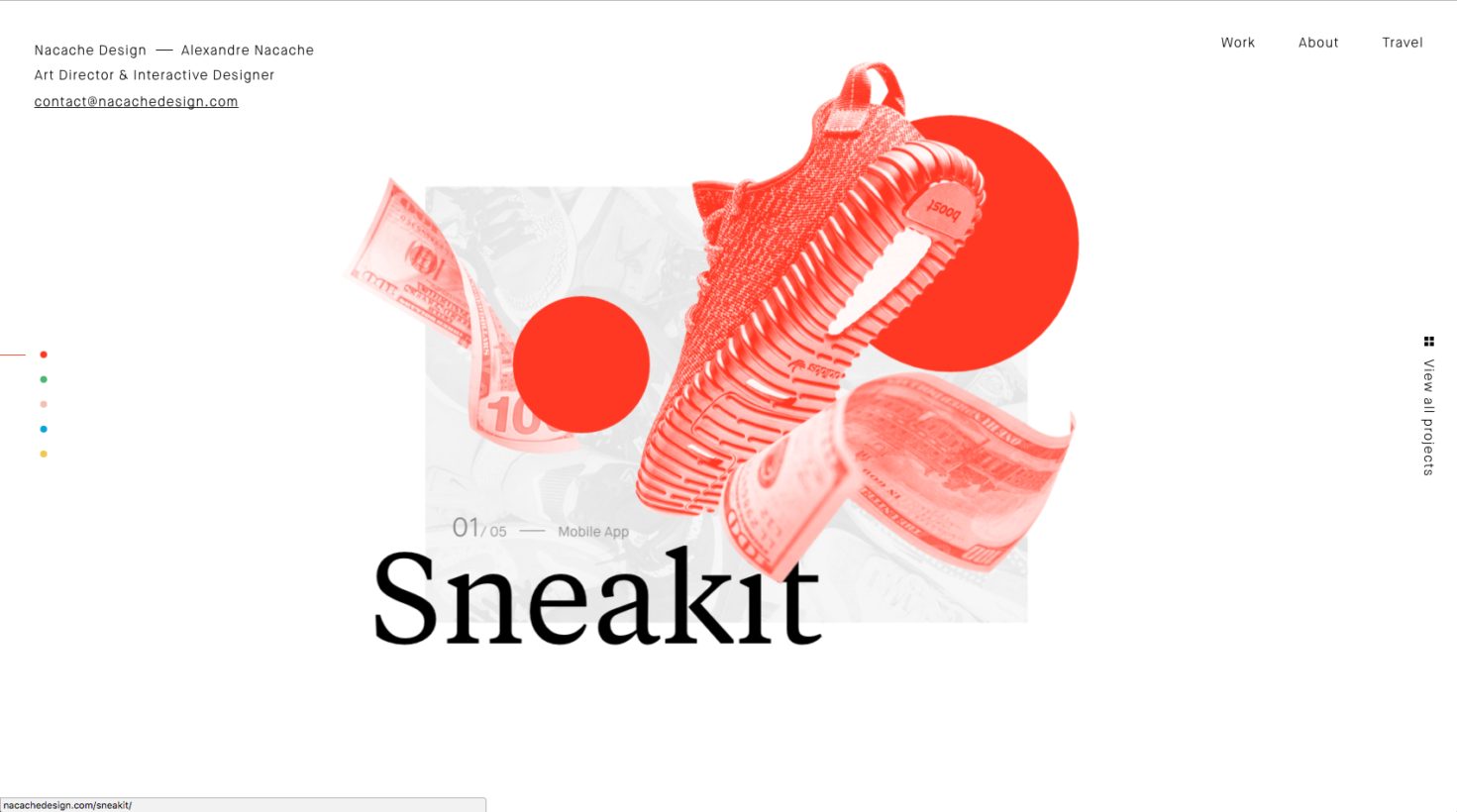
 Duotone gradient images
 Increased use of animations and GIFs
 Shortcut Diets
 As a mobile society, since most of us access the web more from our phones than from our computers, web designers have now updated navigation on websites accordingly, in line with the general trend toward making navigation easier.
Designers are now—rather than overly complex and long journeys—starting to simplify navigation to about four to five items on an increasing number of sites. Keeping navigation to a minimum also helps visitors focus on the intent at hand rather than trying to wander away from the page.
Micro Interactions
As a mobile society, since most of us access the web more from our phones than from our computers, web designers have now updated navigation on websites accordingly, in line with the general trend toward making navigation easier.
Designers are now—rather than overly complex and long journeys—starting to simplify navigation to about four to five items on an increasing number of sites. Keeping navigation to a minimum also helps visitors focus on the intent at hand rather than trying to wander away from the page.
Micro Interactions
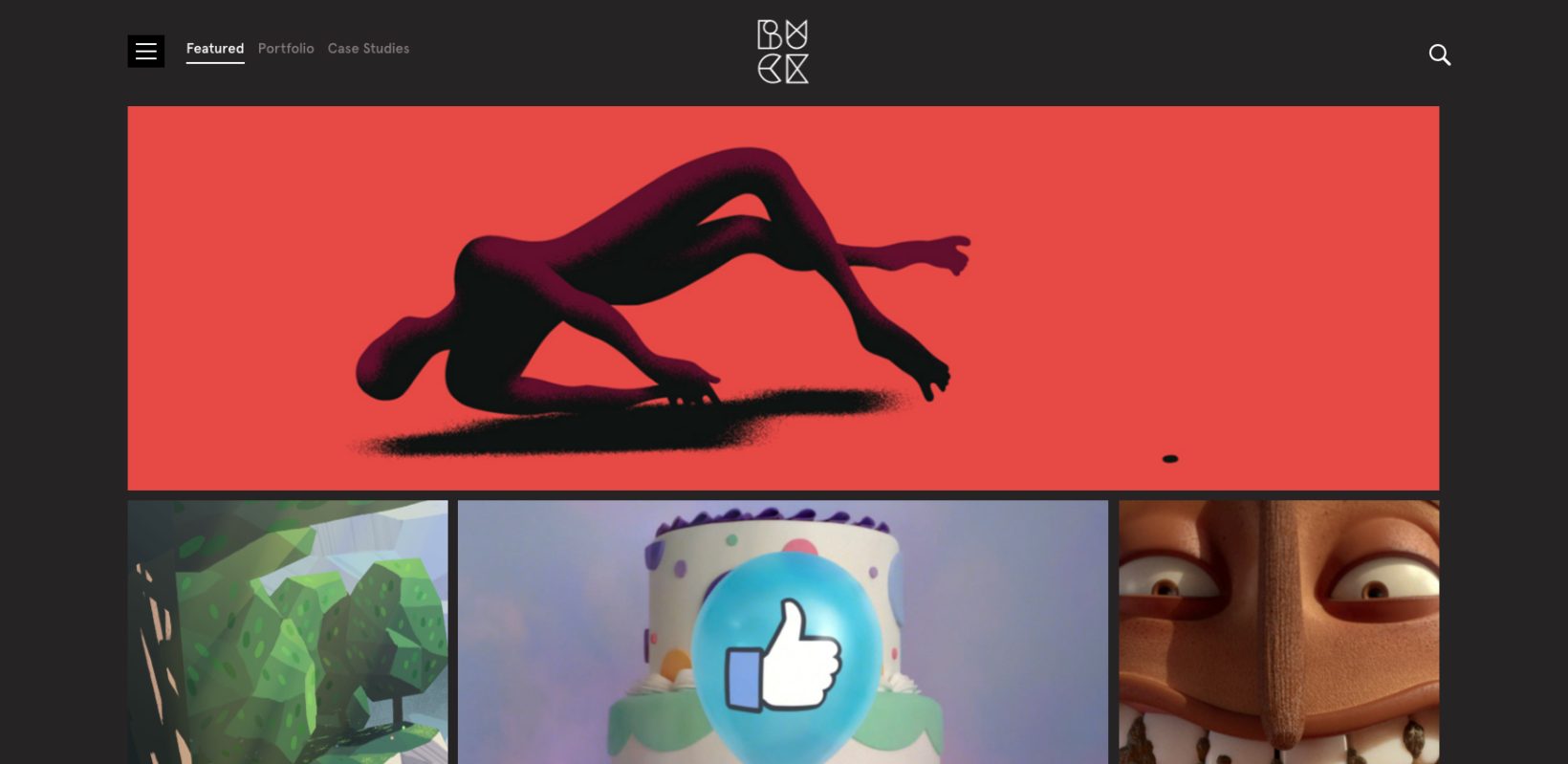
 Microinteractions are subtle but powerful ways of interacting with a website. Such designs typically include navigations, click animations, scroll effects, etc.
Designers who always have such design elements are spending more time on them and making them more informative and refined.
Probably the most-used integration is hover/transition advertising, which allows a visitor to move their cursor over a section of the site to see these microinteraction movements and interact with the site in this way.
Increased use of hand-drawn elements
Microinteractions are subtle but powerful ways of interacting with a website. Such designs typically include navigations, click animations, scroll effects, etc.
Designers who always have such design elements are spending more time on them and making them more informative and refined.
Probably the most-used integration is hover/transition advertising, which allows a visitor to move their cursor over a section of the site to see these microinteraction movements and interact with the site in this way.
Increased use of hand-drawn elements
 Perhaps a different kind of trend in web design is the increased use of hand-drawn elements.
These elements include fonts, icons, graphics, buttons, and other elements that bring a pleasant touch to websites.
Websites have never been a tool to be associated with drawing. However, the introduction of these hand-drawn elements and their subsequent application has created a pleasant change from using standard design elements and has begun to receive a better reception.
More emphasis on landing pages, less weight on a homepage
As we choose to refine content, market it, and share more, in 2017 we will see an increase in landing page designs rather than homepage design.
While every website needs a homepage, I think as content marketing spreads, marketers will want to direct traffic directly to dedicated landing pages to better target their visitors and their needs.
What makes sense: Content marketing is about increasing awareness and conversions, and providing a better path to higher conversion than directing visitors to a page that has been specifically designed for them.
These pages will be designed and considered like the others on the site, but will target the visitor more.
In Conclusion
We're sure to see some great websites in 2017, and these design trends will certainly be seen in some of the best website designs yet to come.
From hand-drawn elements to duotone images, from creative headings to more focused content layouts, from microinteractions to animations—I'm sure these design trends will dominate web design in 2017.
Source
Perhaps a different kind of trend in web design is the increased use of hand-drawn elements.
These elements include fonts, icons, graphics, buttons, and other elements that bring a pleasant touch to websites.
Websites have never been a tool to be associated with drawing. However, the introduction of these hand-drawn elements and their subsequent application has created a pleasant change from using standard design elements and has begun to receive a better reception.
More emphasis on landing pages, less weight on a homepage
As we choose to refine content, market it, and share more, in 2017 we will see an increase in landing page designs rather than homepage design.
While every website needs a homepage, I think as content marketing spreads, marketers will want to direct traffic directly to dedicated landing pages to better target their visitors and their needs.
What makes sense: Content marketing is about increasing awareness and conversions, and providing a better path to higher conversion than directing visitors to a page that has been specifically designed for them.
These pages will be designed and considered like the others on the site, but will target the visitor more.
In Conclusion
We're sure to see some great websites in 2017, and these design trends will certainly be seen in some of the best website designs yet to come.
From hand-drawn elements to duotone images, from creative headings to more focused content layouts, from microinteractions to animations—I'm sure these design trends will dominate web design in 2017.
Source
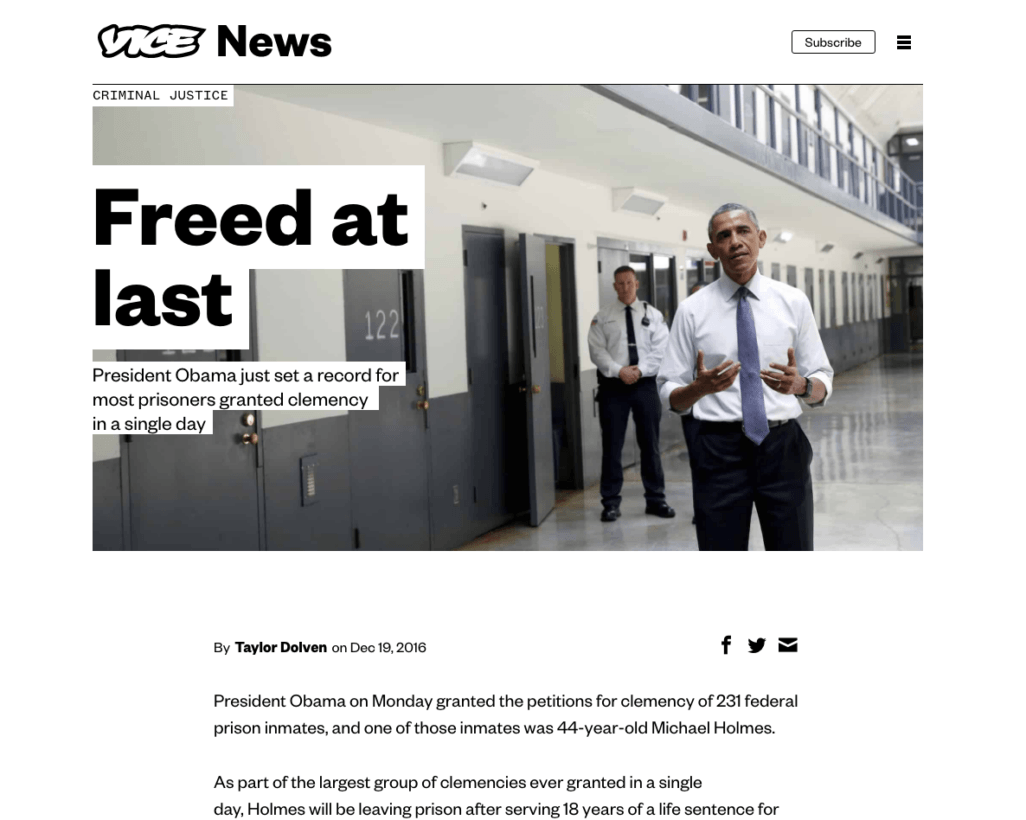 For years we've added things to websites such as sidebars, headers, banner ads, sidebar ads, calls to action, comments, pop-ups, social media buttons, signup boxes, etc. All of these have made websites cluttered and have drawn attention away from one thing on a webpage we are increasingly learning more about: content emphasis.
In 2017, websites are likely to begin returning to the basics and giving more importance to content. Whether this means we'll remove the other distracting boxes we've added over the years, or just make them less acquired, is not yet clear. Returning to the heart of a website—content—will, I'm sure, become widespread.
The end of flat design
For years we've added things to websites such as sidebars, headers, banner ads, sidebar ads, calls to action, comments, pop-ups, social media buttons, signup boxes, etc. All of these have made websites cluttered and have drawn attention away from one thing on a webpage we are increasingly learning more about: content emphasis.
In 2017, websites are likely to begin returning to the basics and giving more importance to content. Whether this means we'll remove the other distracting boxes we've added over the years, or just make them less acquired, is not yet clear. Returning to the heart of a website—content—will, I'm sure, become widespread.
The end of flat design
 I think we've reached the point in flat web design where everything is starting to look the same and we've lost personality and creativity in design.
When you strip everything away, you're left with what everyone has: basics that resemble each other.
From my point of view, flat design has gone from being a modern skeuomorphic design update to a design aesthetic that everyone applies (think of Google's Material).
For this reason, sites are starting to look the same and don't differentiate themselves from one another.
Designers feel that creativity has ended along with this, so they thought they needed to create something different. So I see flat design ending mostly in favor of more creative and unique layouts and designs.
Geometric shapes, lines and patterns
I think we've reached the point in flat web design where everything is starting to look the same and we've lost personality and creativity in design.
When you strip everything away, you're left with what everyone has: basics that resemble each other.
From my point of view, flat design has gone from being a modern skeuomorphic design update to a design aesthetic that everyone applies (think of Google's Material).
For this reason, sites are starting to look the same and don't differentiate themselves from one another.
Designers feel that creativity has ended along with this, so they thought they needed to create something different. So I see flat design ending mostly in favor of more creative and unique layouts and designs.
Geometric shapes, lines and patterns
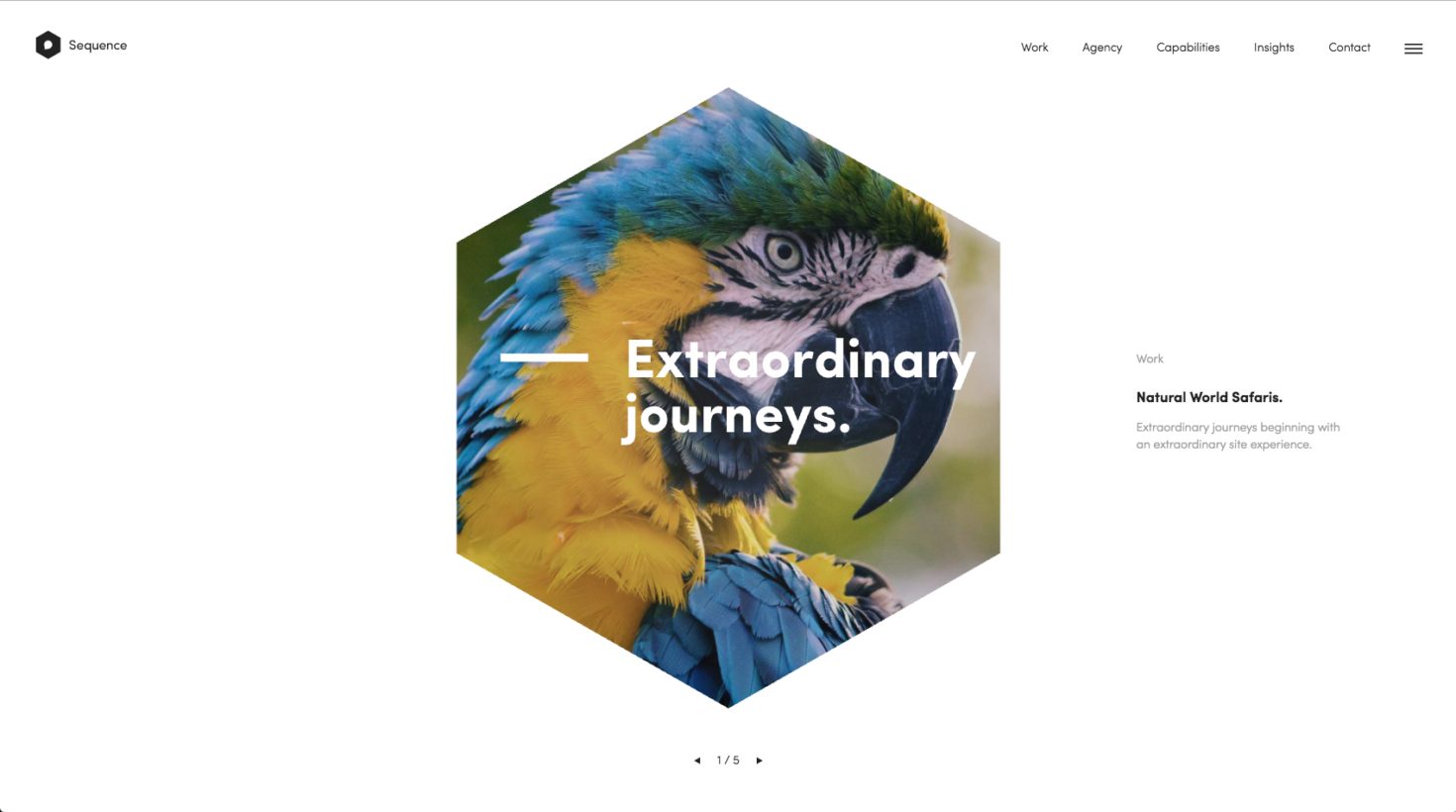 Imaginative heading styles
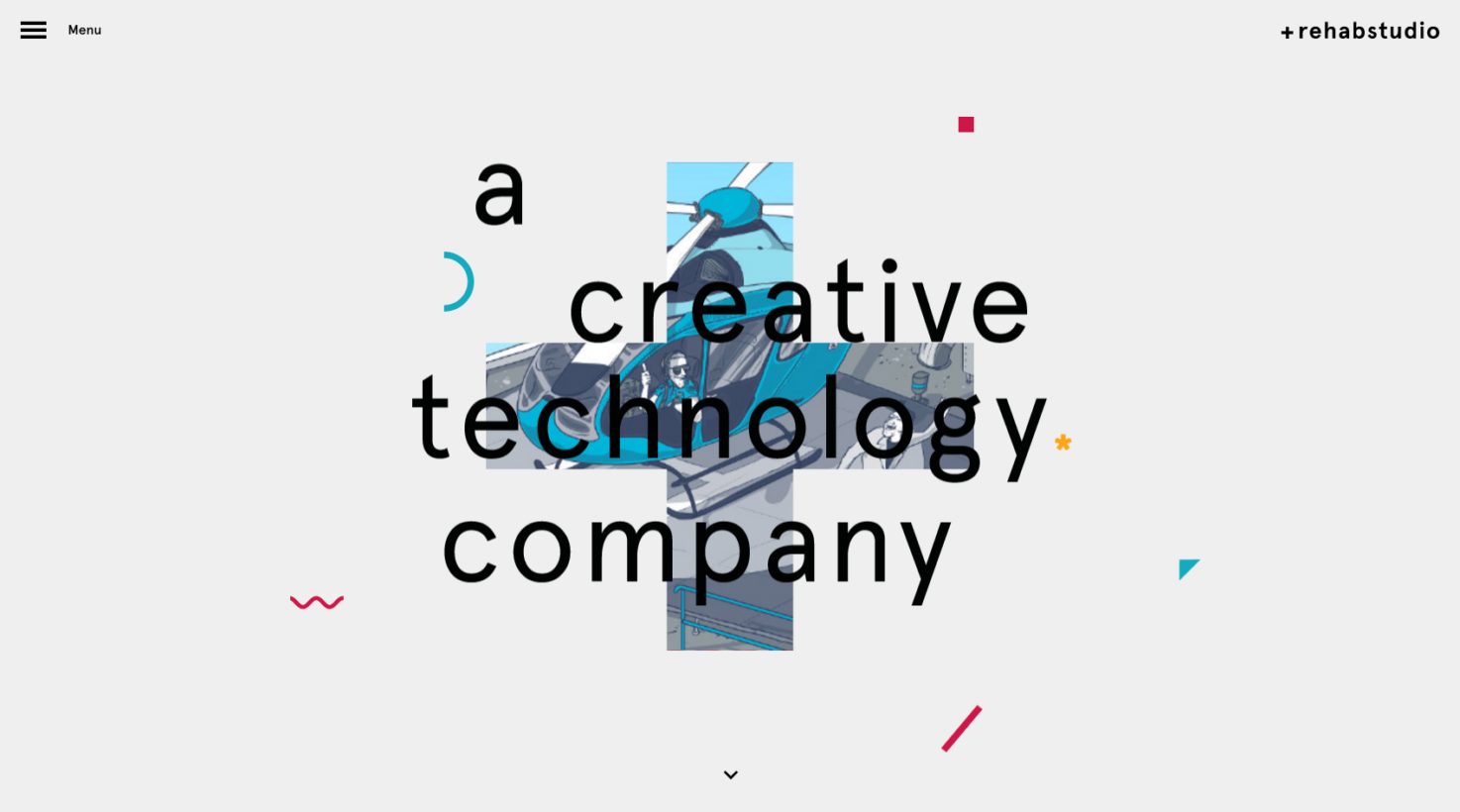 Duotone gradient images
 Increased use of animations and GIFs
 Shortcut Diets
 As a mobile society, since most of us access the web more from our phones than from our computers, web designers have now updated navigation on websites accordingly, in line with the general trend toward making navigation easier.
Designers are now—rather than overly complex and long journeys—starting to simplify navigation to about four to five items on an increasing number of sites. Keeping navigation to a minimum also helps visitors focus on the intent at hand rather than trying to wander away from the page.
Micro Interactions
As a mobile society, since most of us access the web more from our phones than from our computers, web designers have now updated navigation on websites accordingly, in line with the general trend toward making navigation easier.
Designers are now—rather than overly complex and long journeys—starting to simplify navigation to about four to five items on an increasing number of sites. Keeping navigation to a minimum also helps visitors focus on the intent at hand rather than trying to wander away from the page.
Micro Interactions
 Microinteractions are subtle but powerful ways of interacting with a website. Such designs typically include navigations, click animations, scroll effects, etc.
Designers who always have such design elements are spending more time on them and making them more informative and refined.
Probably the most-used integration is hover/transition advertising, which allows a visitor to move their cursor over a section of the site to see these microinteraction movements and interact with the site in this way.
Increased use of hand-drawn elements
Microinteractions are subtle but powerful ways of interacting with a website. Such designs typically include navigations, click animations, scroll effects, etc.
Designers who always have such design elements are spending more time on them and making them more informative and refined.
Probably the most-used integration is hover/transition advertising, which allows a visitor to move their cursor over a section of the site to see these microinteraction movements and interact with the site in this way.
Increased use of hand-drawn elements
 Perhaps a different kind of trend in web design is the increased use of hand-drawn elements.
These elements include fonts, icons, graphics, buttons, and other elements that bring a pleasant touch to websites.
Websites have never been a tool to be associated with drawing. However, the introduction of these hand-drawn elements and their subsequent application has created a pleasant change from using standard design elements and has begun to receive a better reception.
More emphasis on landing pages, less weight on a homepage
As we choose to refine content, market it, and share more, in 2017 we will see an increase in landing page designs rather than homepage design.
While every website needs a homepage, I think as content marketing spreads, marketers will want to direct traffic directly to dedicated landing pages to better target their visitors and their needs.
What makes sense: Content marketing is about increasing awareness and conversions, and providing a better path to higher conversion than directing visitors to a page that has been specifically designed for them.
These pages will be designed and considered like the others on the site, but will target the visitor more.
In Conclusion
We're sure to see some great websites in 2017, and these design trends will certainly be seen in some of the best website designs yet to come.
From hand-drawn elements to duotone images, from creative headings to more focused content layouts, from microinteractions to animations—I'm sure these design trends will dominate web design in 2017.
Source
Perhaps a different kind of trend in web design is the increased use of hand-drawn elements.
These elements include fonts, icons, graphics, buttons, and other elements that bring a pleasant touch to websites.
Websites have never been a tool to be associated with drawing. However, the introduction of these hand-drawn elements and their subsequent application has created a pleasant change from using standard design elements and has begun to receive a better reception.
More emphasis on landing pages, less weight on a homepage
As we choose to refine content, market it, and share more, in 2017 we will see an increase in landing page designs rather than homepage design.
While every website needs a homepage, I think as content marketing spreads, marketers will want to direct traffic directly to dedicated landing pages to better target their visitors and their needs.
What makes sense: Content marketing is about increasing awareness and conversions, and providing a better path to higher conversion than directing visitors to a page that has been specifically designed for them.
These pages will be designed and considered like the others on the site, but will target the visitor more.
In Conclusion
We're sure to see some great websites in 2017, and these design trends will certainly be seen in some of the best website designs yet to come.
From hand-drawn elements to duotone images, from creative headings to more focused content layouts, from microinteractions to animations—I'm sure these design trends will dominate web design in 2017.
Source


![8 Best Security Plugins to Protect Your WordPress Sites [2026 Updated]](https://dogucanguler.com/storage/blog/wp/2025/03/WordPress-Sitelerinizi-Koruyacak-8-En-Iyi-Guvenlik-Eklentisi-2025-Guncel.webp)
![Best SEO Plugins and Tools for WordPress [2026 Updated]](https://dogucanguler.com/storage/blog/wp/2025/03/WordPress-icin-En-Iyi-SEO-Eklentileri-ve-Araclari-2025-Guncel.webp)


