Pantone Reveals the Color of the Year 2017: Greenery — post content
2026 Update. This article was published in 2016; as of May 2026, context has been added in line with current practices in Turkey's digital marketing and web technologies sector. The information below comprises practical recommendations that retain their validity in 2026, under the Graphic Design & Tips category.
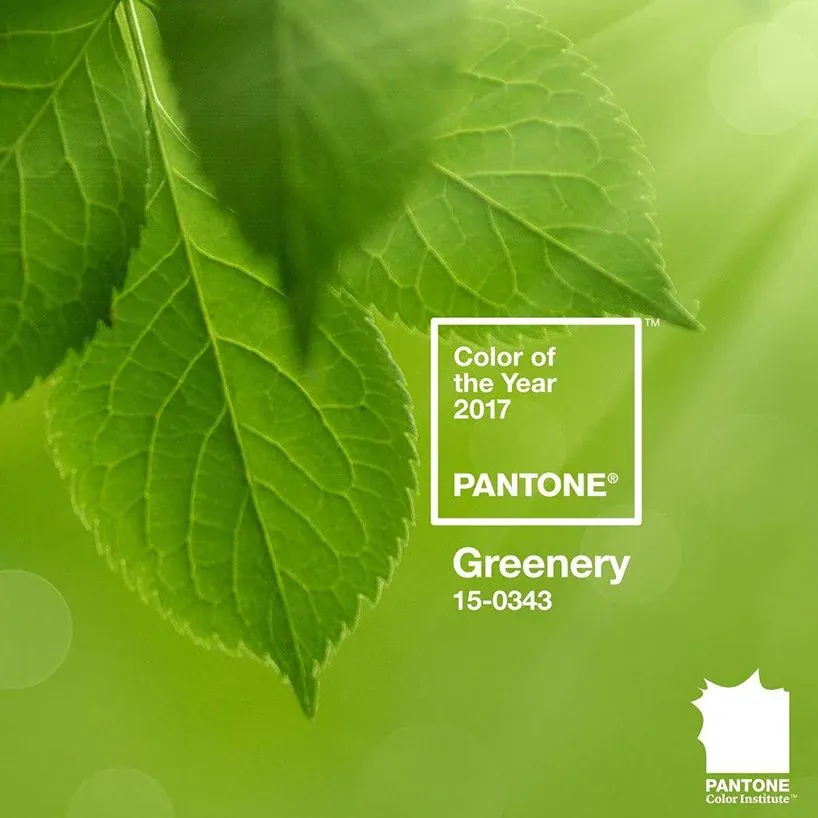
Every year, Pantone experts choose the 'color of the year,' and they have declared their latest pick for 2017 to be "Greenery." The rich yellow-green shade evokes the first signs of nature and the early days of spring, reminiscent of botanical life. It will recall foliage, and outdoors, 'greenery' subtly evokes thoughts. It can be seen as fresh air, a deep breath, and rejuvenation for a new year. 'Greenery' can become a versatile shade that transforms itself into various color combinations. It can be paired with neutrals, brights, deeper shades, pastels, and metallics. Pantone's 2016 color of the year - rose quartz and serenity.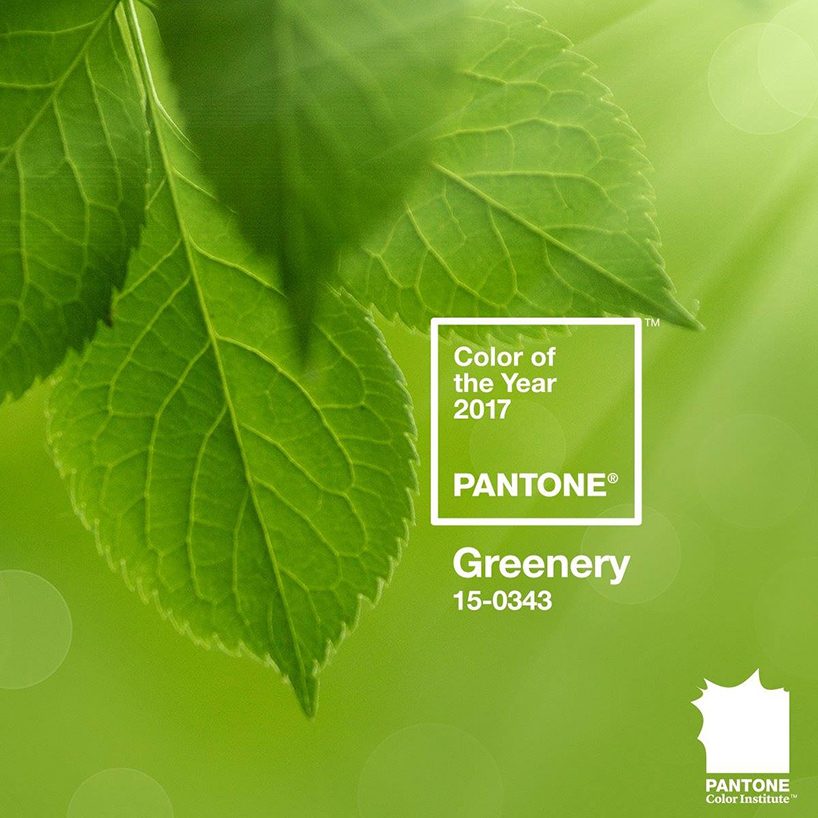
The rich yellow-green shade evokes the feelings of the first days of spring.
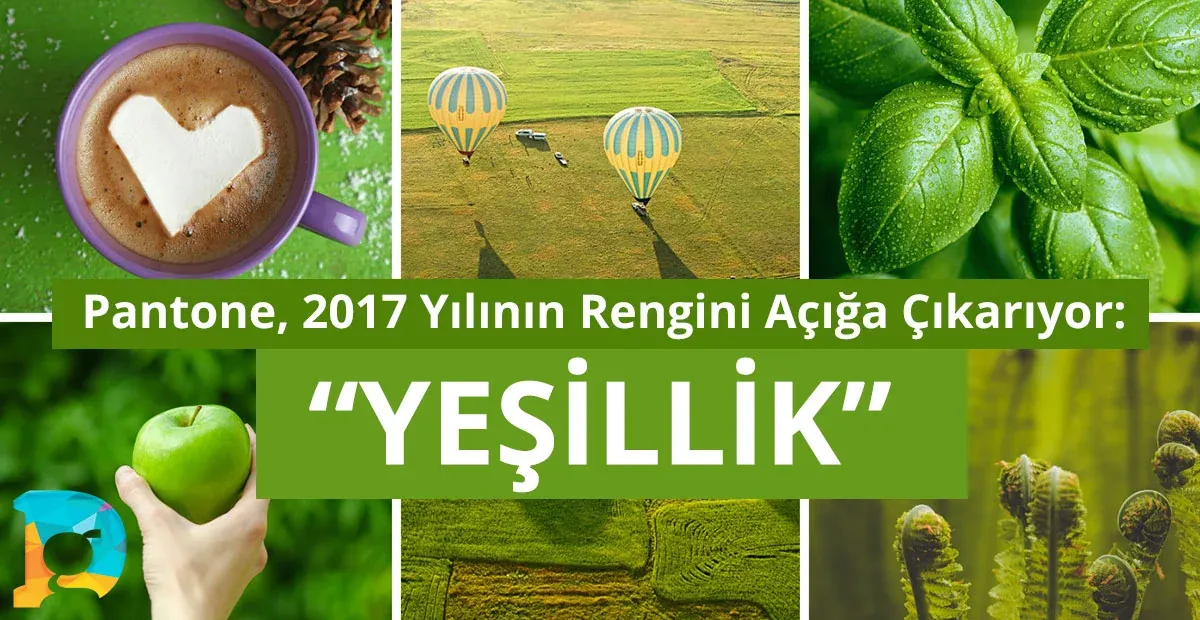
"The 2016 Pantone color of the year, rose quartz and serenity, expressed the need for harmony in a chaotic world," said Leatrice Eiseman, executive director of the Pantone Color Institute, adding, "Amidst a complex social and political landscape, Greenery emerged in 2017 to offer us the hope we hold onto. Satisfying our growing desire to rejuvenate, revitalize, and unify, Greenery symbolizes a reconnection with nature, with one another, and with a greater purpose."Images from the article
Why this topic matters in 2026
The graphic design & tips field in Turkey went through three fundamental changes between 2024-2026: (1) mobile-first user behavior reached 78% of the market, (2) AI-powered content production and analysis tools entered the mainstream, (3) with KVKK, e-Commerce 2.0, and improvements to the Turkish Lira, the cost/impact balance of digital presence has fundamentally shifted for small and medium-sized enterprises. The principles described in this article still apply at the implementation level under 2026 conditions—only the tools and service providers used have been updated.
Quick checklist for 2026
- Mobile-first: Test design and content architecture first at 390-430px screen width; desktop is secondary.
- Performance budget: LCP < 2.0s, CLS < 0.05, INP < 150ms — Core Web Vitals 2026 thresholds have tightened.
- AI integration: Embed Claude/GPT-4 class assistants for content production, image optimization, and customer support; not a one-off prompt, but a flow.
- Legal compliance: KVKK disclosure text, cookie consent (TCF v2.2), email opt-in must be double-confirmed (DOI).
- Measurement: The trio of GA4 + Meta Conversion API + server-side tracking has become standard; GA4 alone is insufficient.
- Branding: Rather than a single logo, dynamic brand systems (color, typography, motion) stand out on social channels.
Next step
To implement the topic in this article in your own project, you can request a free site analysis, directly submit a brief, or request a one-on-one meeting. I respond to all evaluations within 2 business days, in a KVKK-compliant manner.
The article was first published on 23 Dec 2016 and revised for 2026 conditions as of 03 May 2026.
The realities of Turkey's digital sector in 2026
The 2024-2026 period brought three transformative trends to Turkey's digital ecosystem: the entry of AI assistants into the mainstream, mobile-first user behavior reaching 78% market share, and the maturation of KVKK secondary legislation + cookie consent rules. This trio recontextualized classic web and digital marketing topics: tools evolved, principles endured.
Sectorally: in the SME web market, WordPress leads with 43%, while on the enterprise+SaaS side, the Next.js + Astro trio dominates. On the advertising side, Meta + Google take a 62% share, while TikTok rose rapidly. AI-powered content production tools are now standard; the SEO game has shifted from "keyword ranking" to "LLM context match." Blending the topic this article addresses with these new realities yields the most concrete results under 2026 conditions.
DijiPal® 2026 approach
With my 16 years of advertising agency experience, I learned every topic I shared on the blog by applying it in my own client projects. As of 2026, our approach as DijiPal® is based on these three principles:
- Transparency. Every stage from brief to delivery is visible via a weekly staging URL. No surprises.
- Mobile-first + AI hybrid production. Design and content are validated on a 390-430px screen; during production, Claude / Midjourney / Cursor IDE work integrated into the workflow — speed comes from AI, decisions from humans.
- Measurable results. With every delivery, GA4 + Meta CAPI + server-side tracking are integrated; evaluated with conversion-first metrics.
If the subject of this article turns into a concrete need for you, share your brief — within 2 business days I'll get back to you with a sector-specific roadmap and a transparent quote.
Next step
Do you have an existing site? Request a free site analysis — let us send the gaps and recommendations to your email within 2 business days.
Are you starting a new project? Submit a brief, get a sector-specific package and price within 2 business days.
To search for sector notes, you can review the 21-sector guide or this blog's 330+ article archive.