Android Apps vs. Games: Which Earns More? — post content
2026 Update. This post was originally published in 2014; as of May 2026, context has been added in line with current practices in Turkey's digital marketing and web technologies industry. The information below is practical, applied advice that remains valid in 2026, under the Mobile Technologies category.
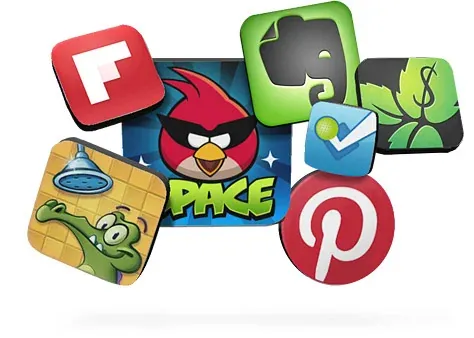
 There are major differences when it comes to generating revenue from Android apps versus games. In general, most of the big revenue comes from mobile games, while revenue from standard apps is more limited. The main reason for this is that large companies developed popular apps years ago and captured much of the market (for example, YouTube, To-Do apps, fitness apps, productivity apps, etc.).
Mobile games can be an important source of revenue for projects driven by creativity. For example, the game OSMOS earned around 1 million dollars in its first year. After all taxes and Google's 30% cut are deducted, this revenue still represents a significant achievement. Games like this can earn serious revenue both through in-app purchases (such as virtual currency or content) and ads.
There are major differences when it comes to generating revenue from Android apps versus games. In general, most of the big revenue comes from mobile games, while revenue from standard apps is more limited. The main reason for this is that large companies developed popular apps years ago and captured much of the market (for example, YouTube, To-Do apps, fitness apps, productivity apps, etc.).
Mobile games can be an important source of revenue for projects driven by creativity. For example, the game OSMOS earned around 1 million dollars in its first year. After all taxes and Google's 30% cut are deducted, this revenue still represents a significant achievement. Games like this can earn serious revenue both through in-app purchases (such as virtual currency or content) and ads.
Earning Revenue Through Games
Revenue earned from games mostly comes from ad revenue and in-app purchases. Revenue from ads is usually higher than revenue from sales, especially if you have not developed large games (such as those in the style of Gameloft). App ad revenue with a solid app can range from 2,000 to 6,000 dollars per month. If you have developed multiple games and they are popular, your ad revenue can exceed 10,000 dollars per month. For example, a developer I know is earning more than 3,000 dollars per month from a game he developed on his own called Robo Miner. Such successes are shaped not by the number of downloads but by how often the app is used and the level of user engagement.The Importance of Ads and In-App Purchases
In addition to ad revenue, in-app purchases are an important source of income for games. In-app level unlockers and virtual currency (coin) purchases generally generate large revenue. What matters is not how many times the game has been downloaded, but how often users use the game and the level of engagement within the game. For this reason, developing features that get players to spend more time in the game can be a critical strategy for earning revenue.Conclusion
If you are a creative and independent developer, you have the potential to earn significant revenue by making games. In-app purchases and ads can bring substantial earnings. However, the popularity of the game, frequency of use, and content quality are decisive factors in successful revenue generation. Another point developers should pay attention to in order to earn more is to keep the game continuously updated and improve it based on user feedback.Why this topic matters in 2026
Turkey's mobile technologies field has gone through three core shifts between 2024 and 2026: (1) mobile-first user behaviour reached 78% of the market, (2) AI-powered content generation and analysis tools went mainstream, (3) with KVKK, e-Commerce 2.0 and Turkish Lira improvements, the cost-to-impact balance of a digital presence has fundamentally shifted for small and mid-sized businesses. The principles described in this post still apply at the execution level under 2026 conditions — only the tools and service providers in use have been updated.
Quick checklist for 2026
- Mobile-first: Test design and content architecture first at 390-430px screen widths; desktop is secondary.
- Performance budget: LCP < 2.0s, CLS < 0.05, INP < 150ms — Core Web Vitals thresholds tightened in 2026.
- AI integration: Embed Claude/GPT-4-class assistants for content generation, visual optimisation and customer support; not one-off prompts but a continuous flow.
- Legal compliance: KVKK disclosure text, cookie consent (TCF v2.2), and double opt-in (DOI) email sign-ups are required.
- Measurement: The GA4 + Meta Conversion API + server-side tracking trio is now standard; GA4 alone is no longer sufficient.
- Branding: Rather than a single logo, a dynamic brand system (colour, typography, motion) stands out on social channels.
Next step
To apply the topic in this post to your own project, you can request a free site analysis, send a brief directly via the request a quote page, or ask for a one-to-one meeting. I respond to all enquiries within 2 business days, in a KVKK-compliant manner.
This post was first published on 29 Apr 2014, and revised on 03 May 2026 to reflect 2026 conditions.