Monetization Models Used in Android Apps — post content
2026 Update. This post was originally published in 2014; as of May 2026, context has been added in line with current practices in Turkey's digital marketing and web technologies industry. The information below is practical, applied advice that remains valid in 2026, under the Mobile Technologies category.

- Notification Ads A model in which ads are sent to app users via notifications, even when the app is closed. These ads can be effective for bringing the user back into the app and promoting a product.
- App Icon Ads Ads displayed on the app's home screen or in widgets. This type of ad shows short ads that redirect users externally and sometimes encourage them to tap on the app's icon.
- Wall Ads A full-screen ad shown in certain sections of the app. Users can pass through them by clicking on the ad or by waiting for some time. Generally used in games and free apps. Watching the ad generates revenue for app owners.
- Video Ads An ad model where revenue is generated from short videos watched by users. Often, users are asked to watch a video to get a reward or extra content. Video ads are usually one of the highest-revenue ad types.
- Full HTML Ads HTML-based ads displayed full screen within the app. These ads offer richer content and engagement. Developers can offer customised ads using images, text, and videos to grab users' attention.
- Content Unlocker Ads Users may choose to watch ads to access additional content within the app (new levels, extra features, etc.). This model motivates users to unlock content.
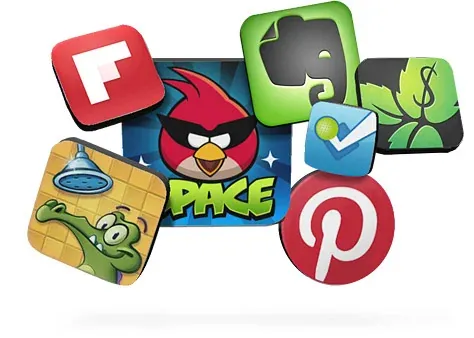
- Top Apps Ads inside the app that promote other popular apps. This type of ad is usually presented as a banner or full-screen ad and is used to introduce users to new apps.
- CPA (Cost Per Action) Ads The advertiser pays the developer when the user performs an action (for example, filling out a form or buying a product). This model allows revenue to be earned especially when users complete a specific action.
- In-Game Currency Ads A system in games where users earn in-game currency or rewards by watching ads. This type of ad can be an effective way to engage users with the game more and can be integrated into the in-game economy.
These monetisation systems diversify the ways app developers can earn revenue. Each model can be optimised for the user experience and may be more suitable for certain types of apps. Developers can increase their income by choosing the appropriate monetisation model based on the type of their app and its user base.
Why this topic matters in 2026
Turkey's mobile technologies field has gone through three core shifts between 2024 and 2026: (1) mobile-first user behaviour reached 78% of the market, (2) AI-powered content generation and analysis tools went mainstream, (3) with KVKK, e-Commerce 2.0 and Turkish Lira improvements, the cost-to-impact balance of a digital presence has fundamentally shifted for small and mid-sized businesses. The principles described in this post still apply at the execution level under 2026 conditions — only the tools and service providers in use have been updated.
Quick checklist for 2026
- Mobile-first: Test design and content architecture first at 390-430px screen widths; desktop is secondary.
- Performance budget: LCP < 2.0s, CLS < 0.05, INP < 150ms — Core Web Vitals thresholds tightened in 2026.
- AI integration: Embed Claude/GPT-4-class assistants for content generation, visual optimisation and customer support; not one-off prompts but a continuous flow.
- Legal compliance: KVKK disclosure text, cookie consent (TCF v2.2), and double opt-in (DOI) email sign-ups are required.
- Measurement: The GA4 + Meta Conversion API + server-side tracking trio is now standard; GA4 alone is no longer sufficient.
- Branding: Rather than a single logo, a dynamic brand system (colour, typography, motion) stands out on social channels.
Next step
To apply the topic in this post to your own project, you can request a free site analysis, send a brief directly via the request a quote page, or ask for a one-to-one meeting. I respond to all enquiries within 2 business days, in a KVKK-compliant manner.
This post was first published on 29 Apr 2014, and revised on 03 May 2026 to reflect 2026 conditions.