Mozilla Open-Sourced Its Logo Redesign: Here Are the Finalists and the Winner — post content
2026 Update. This article was published in 2017; as of May 2026, context has been added based on current practices in Turkey's digital marketing and web technologies sector. The information below consists of practical recommendations under the Tech Agenda category that remain valid in 2026.
In June, Mozilla announced that it would redesign its logo with the collaboration of the internet. Throughout the journey, they asked community members—who they believe the Web is a powerful brand—to provide feedback at every step that shaped the logo. The Mozilla Creative Leads, on this Blog, announced seven finalists for their company's selection, saying "Each of the seven concepts we shared highlights and emphasizes a particular aspect of the Mozilla story." [gallery link="file" ids="2817,2819,2820,2821,2822,2823,2824"] The company said, "From our paleotechnic origins to making us part of an ever-expanding digital ecosystem, from highlighting our global community drivers to taking a step from the quoted elevator's open button, the concepts express ideas about Mozilla in clever and unexpected ways." The seven concepts are presented under different themes such as "Humans for the Internet" and "From the Beginning with You." Visit Mozilla to learn the story of each logo and click on the image to see a full description. Mozilla hoped to narrow its choices down to three by mid-September and make its final selection at the end of this month. To be clear, community members did not vote on the final selection; they only saw the concepts as they were adapted and provided feedback for the creative team to consider.HERE IS THE WINNER:
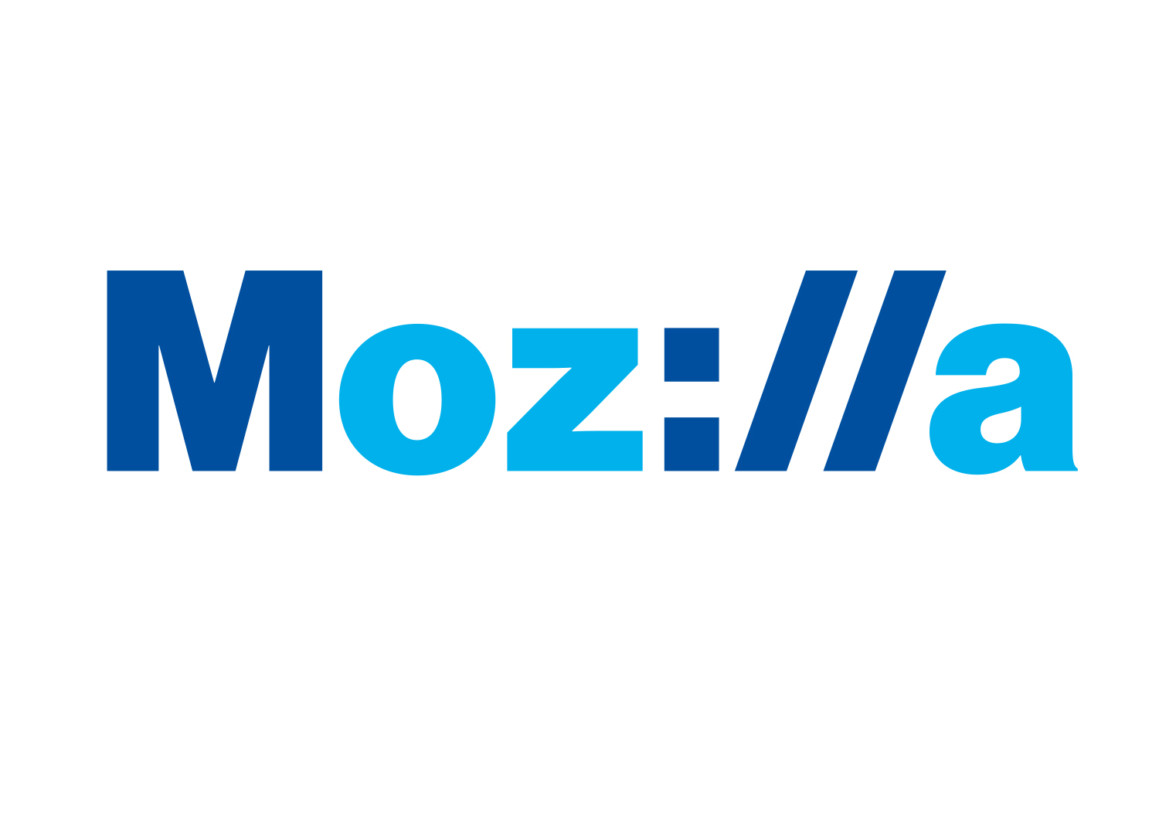
HERE IS MOZILLA'S NEW LOGO REVEAL VIDEO:
https://www.youtube.com/watch?v=MuLWXHgyEVwImages from the article
Why this topic matters in 2026
The tech agenda field in Turkey went through three fundamental changes between 2024-2026: (1) mobile-first user behavior reached 78% of the market, (2) AI-powered content production and analysis tools went mainstream, (3) with KVKK, e-Commerce 2.0 and Turkish Lira improvements, the cost/impact balance of digital presence for small-medium enterprises has fundamentally changed. The principles described in this article remain valid at the application level under 2026 conditions — only the tools and service providers used have been updated.
Quick checklist for 2026
- Mobile-first: Test design and content architecture first at 390-430px screen width; desktop is secondary.
- Performance budget: LCP < 2.0s, CLS < 0.05, INP < 150ms — Core Web Vitals 2026 thresholds have tightened.
- AI integration: Embed Claude/GPT-4 class assistants for content production, visual optimization and customer support; not a one-off prompt, a flow.
- Legal compliance: KVKK information notice, cookie consent (TCF v2.2), email opt-in must be double opt-in (DOI).
- Measurement: The trio of GA4 + Meta Conversion API + server-side tracking has become standard; GA4 alone is insufficient.
- Branding: Rather than a single logo, a dynamic brand system (color, typography, motion) stands out on social channels.
Next step
To apply the topic in this article to your own project, you can request a free site analysis, directly send a brief, or request a one-on-one meeting. I respond to all evaluations within 2 business days, in a KVKK-compliant manner.
The article was first published on 18 Jan 2017, and was revised according to 2026 conditions as of 03 May 2026.
Where is Turkey's 2026 tech agenda heading?
Turkey's tech ecosystem transformed across three axes between 2024-2026: (a) AI-powered production tools (Claude, GPT-4, Gemini, domestic LLM experiments) entered the daily workflow for both software developers and content creators. (b) Thanks to mobile payment and open banking, e-commerce entry barriers for SMEs dropped by 60%. (c) KVKK secondary legislation, cookie consent and data residency rules brought investments under strict supervision. This trio recontextualized the classic web/software topics we cover in blog posts: tools changed, principles persist.
Looking at sectoral distribution, the actively used software stacks in Turkey as of 2026 are: WordPress still leads in 43% of the SME web market; the Next.js / Astro / Svelte trio dominates the corporate+SaaS side; on mobile, the use of Flutter and React Native reached 71%. On the social media side, the Instagram + WhatsApp Business + TikTok trio absorbs 78% of advertising budgets. LinkedIn maintained its weight in the B2B segment, while X (Twitter) maintained its weight in the publishing + media segment.
DijiPal® 2026 approach
With my 16 years of advertising agency experience, I learned every topic I share on the blog by applying it in my own client projects. As of 2026, our approach as DijiPal® is based on these three principles:
- Transparency. Every stage from brief to delivery is visible via a weekly staging URL. No surprises.
- Mobile-first + AI hybrid production. Design and content are validated on a 390-430px screen; in the production process, Claude / Midjourney / Cursor IDE work integrated into the workflow — speed comes from AI, decisions come from humans.
- Measurable outcome. With every delivery, GA4 + Meta CAPI + server-side tracking are integrated; evaluated with conversion-first metrics.
If the topic of this article translates into a concrete need for you, share your brief — I'll get back within 2 business days with a roadmap specific to your industry and a transparent quote.
Next step
Do you have an existing site? Request a free site analysis — we'll send the gaps and recommendations to your email within 2 business days.
Starting a new project? Send a brief, get a response with an industry-specific package and price within 2 business days.
To browse industry notes, you can review the 21-industry guide or this blog's archive of 330+ articles.


