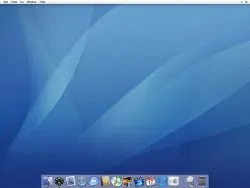
What Is Mac OS? — post content
2026 Update. This post was originally published in 2012; as of May 2026, context has been added in line with current practices in Turkey's digital marketing and web technologies industry. The information below is practical, applied advice that remains valid in 2026, under the Technology Agenda category.
 What Is Mac OS?
The Macintosh Operating System, or Mac OS for short, is the operating system developed by Apple that runs Macintosh computers. First introduced in 1984 with the original Macintosh, this operating system has gone through significant evolutions over time and is today known as Mac OS X. Apple's original Macintosh operating system was initially released only as system software, but over time it evolved into a more comprehensive platform.
What Is Mac OS?
The Macintosh Operating System, or Mac OS for short, is the operating system developed by Apple that runs Macintosh computers. First introduced in 1984 with the original Macintosh, this operating system has gone through significant evolutions over time and is today known as Mac OS X. Apple's original Macintosh operating system was initially released only as system software, but over time it evolved into a more comprehensive platform.
The History of Mac OS
Mac OS was first introduced in 1984 alongside Apple's Macintosh computers. This operating system attracted attention with its user-friendly graphical interface and original design. However, it evolved over time, undergoing major changes with new versions:- Mac OS 7: This version expanded the features of the operating system and introduced major innovations such as multitasking support.
- Mac OS 9: Released in 1999, Mac OS 9 is one of the best-known versions of the Mac OS family and was an important milestone in the transition to Mac OS X.
- Mac OS X: Introduced in 2001, Mac OS X was a major innovation as a Unix-based operating system and forms the basis of today's Mac OS.
Mac OS X and Its Meaning
Mac OS X is short for the Macintosh Operating System, with the X at the end representing 10 in Roman numerals. In the United States, "Mac OS X" is generally pronounced as Mac OS 10. Mac OS X is a Unix-derived open-source operating system. This means that the system is based on a powerful Unix infrastructure in the background. However, the fact that Mac OS X is legally only compatible with Apple computers is an important feature that sets it apart from other systems. Graphically superior, Mac OS has attracted great interest, especially in design-focused fields such as the publishing industry.The Evolution of Mac OS X
While Mac OS was initially compatible only with Motorola 68000-based processors, with the emergence of PowerPC processors, Mac OS also became compatible with this hardware. Apple, by transitioning to Intel processors in the early 2000s, enabled Mac OS X to work with a wider range of hardware.Version Transitions and Notable Versions:
- Mac OS X 10.0 (Cheetah): The first Mac OS X version, released in 2001.
- Mac OS X 10.5 (Leopard): This version could run on both PowerPC and Intel processors.
- Mac OS X 10.6 (Snow Leopard): This version, which only supported Intel processors, prioritised performance improvements and stability.
Mac OS Hardware Compatibility
While Mac OS was initially compatible only with Motorola 68000-based Macintosh computers, Apple began producing computers equipped with PowerPC processors. This new hardware significantly increased the performance of Mac OS. However, with the transition to Intel processors, Mac OS X began to offer much wider hardware support. This transition allowed Mac OS X to become a much more powerful and flexible operating system.Mac OS X and Widespread Use
Mac OS stands out as a preferred operating system, especially in the fields of graphic design, video editing, and publishing. Apple's user-friendly interface and powerful graphics capabilities make Mac OS popular among professional users.Subsequent Versions and Current Status
Released in 2010, Mac OS X Snow Leopard is one of the last major versions of Apple's operating system. From then on, Apple began using only the name macOS instead of Mac OS X. With versions such as macOS Sierra, macOS Mojave, and macOS Catalina, the operating system has continued to offer more modern and integrated features.Mac OS, with its innovative features developed over the years, strong graphical support, and user-friendly interface, has secured an important place in the world of computing.
Why this topic matters in 2026
Turkey's technology agenda field has gone through three core shifts between 2024 and 2026: (1) mobile-first user behaviour reached 78% of the market, (2) AI-powered content generation and analysis tools went mainstream, (3) with KVKK, e-Commerce 2.0 and Turkish Lira improvements, the cost-to-impact balance of a digital presence has fundamentally shifted for small and mid-sized businesses. The principles described in this post still apply at the execution level under 2026 conditions — only the tools and service providers in use have been updated.
Quick checklist for 2026
- Mobile-first: Test design and content architecture first at 390-430px screen widths; desktop is secondary.
- Performance budget: LCP < 2.0s, CLS < 0.05, INP < 150ms — Core Web Vitals thresholds tightened in 2026.
- AI integration: Embed Claude/GPT-4-class assistants for content generation, visual optimisation and customer support; not one-off prompts but a continuous flow.
- Legal compliance: KVKK disclosure text, cookie consent (TCF v2.2), and double opt-in (DOI) email sign-ups are required.
- Measurement: The GA4 + Meta Conversion API + server-side tracking trio is now standard; GA4 alone is no longer sufficient.
- Branding: Rather than a single logo, a dynamic brand system (colour, typography, motion) stands out on social channels.
Next step
To apply the topic in this post to your own project, you can request a free site analysis, send a brief directly via the request a quote page, or ask for a one-to-one meeting. I respond to all enquiries within 2 business days, in a KVKK-compliant manner.
This post was first published on 22 Apr 2012, and revised on 03 May 2026 to reflect 2026 conditions.


